


Federal regulators won’t investigate existing Tesla door releases, but they’ve decided the wider industry issue deserves a closer look
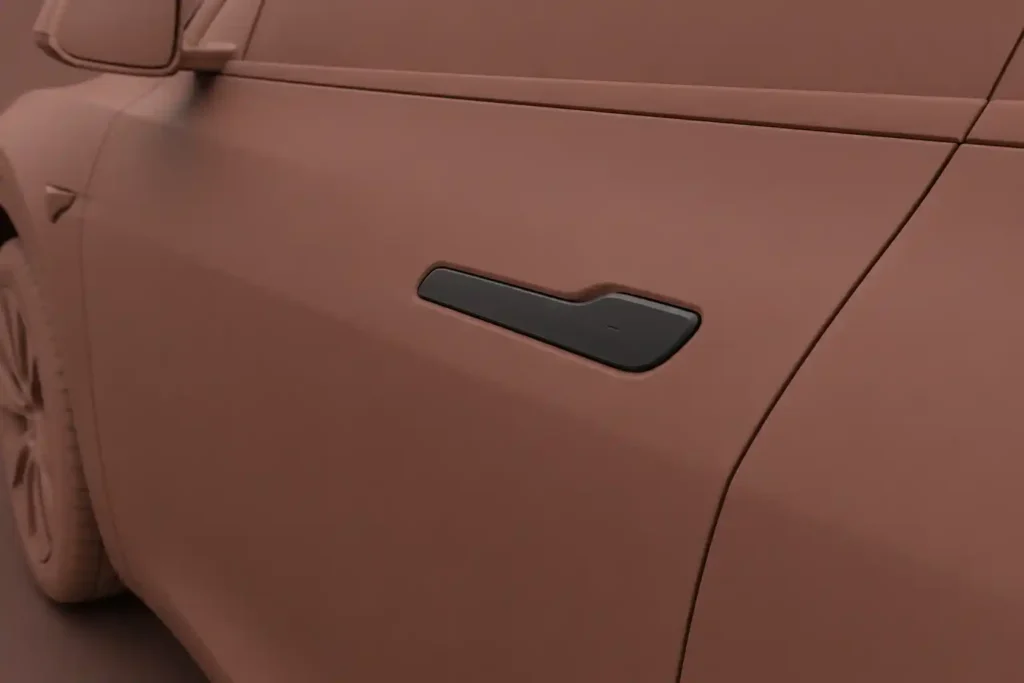
Flush, electronic door handles have long been sold to buyers as a premium, design-savvy touch — sleek, aerodynamic, very much the future. But as it turns out, “the future” doesn’t fancy working when the power’s cut, and that’s a problem regulators can no longer look away from.
The US National Highway Traffic Safety Administration (NHTSA) has declined to open a formal defect investigation into Tesla’s Model 3 door release design, following a petition from an owner who, after a serious crash, found the electronic doors dead and the manual release nowhere to be found. He eventually escaped through a rear window as the car caught fire.
NHTSA acknowledged the danger is real — a vehicle with electronic door operation but no easily accessible mechanical backup can delay escape if power is lost in an emergency. However, the agency concluded this wasn’t a defect specific to one car; rather, it exposed a gap in existing federal safety standards, which currently focus on keeping occupants inside during a crash and preserving structural integrity, but say nothing about whether emergency releases must be obvious or easy to find.
A separate, broader petition fared better. It asked NHTSA to create an entirely new safety standard requiring a “robust and obvious door egress system” in all vehicles, not just Teslas — mechanical releases that keep working after total power loss and can be operated without hunting through a door panel in a panic. NHTSA granted that one, and rulemaking is now underway.
The numbers behind the push are grim: Bloomberg’s reporting has tied at least 15 deaths to crashes where occupants or rescuers struggled to open Tesla doors after fires broke out.
America, notably, is playing catch-up here. China finalised its GB 48001-2026 standard last year, mandating mechanical door releases on all new vehicles from 2027, while Hong Kong has moved to ban new EVs relying solely on electronic handles. Some automakers, BMW included with the iX3, are already building market-specific hardware to comply — though engineering two versions of the same door isn’t cheap, and the simpler path forward is building one door that satisfies the strictest rule on the books. Even with rulemaking fast-tracked, showroom changes aren’t expected before 2030, according to Michael Brooks of the Center for Auto Safety.
Mr. Tempo’s Take
While no similar case has been reported in Malaysia so far, allow us to share a personal take on this.
It’s worth zooming out here — when the power goes, the driver can end up just as lost trying to get out as rescuers are trying to get in. We’ve come across an account of a driver who, after the airbags deployed and smoke filled the cabin, tried his own door first — but having never read the manual, had no idea a manual release even existed, let alone where to find it. Both the front and rear door releases are tucked away discreetly enough that an owner could go years without ever noticing them — the rear one, in particular, requires prying off a cover in the door pocket and pulling a cable, not just flipping a lever. The trunk switch, on the other hand, sits somewhere he’d likely spotted before, just from loading groceries or luggage over time — familiar enough that, in the panic, it’s what came to mind. So he crawled out through there instead. It’s a telling detail: the “futuristic” flush handles up front looked sleek enough that he’d simply trusted them to always work — until the one time it mattered most, they didn’t, and finding a way out came down to luck and prior familiarity rather than design.
And here’s the other thing — Tesla itself frames all this under “unlikely situation,” which perhaps explains why so many owners we’ve spoken to, the sort who just drive and never crack open the manual, have no idea any of this exists. Can’t really blame them either; when a design philosophy quietly assumes you’ll never need the backup, that assumption is doing a lot of heavy lifting.
Personal opinion: it might honestly be safer if this feature never existed at all. Weigh it up — the marginal convenience of an electric door handle against the risk of emergency crews (or the owner themselves) being unable to get someone out after a crash. Is it really worth it?
Source: Carscoops